

The planet doesn’t argue.
It doesn’t negotiate.
It sends signals.
Rising seas. Longer heatwaves. More frequent extreme weather.
The signs are clear, and they’re happening now.
The planet doesn’t argue.
It doesn’t negotiate.
It sends signals.
Rising seas. Longer heatwaves. More frequent extreme weather.
The signs are clear, and they’re happening now.
We once talked about limiting warming to 1.5°C as a future goal. Increasingly, we’re seeing what happens as we move beyond it. That shifts the conversation — from awareness to action.
This year’s World Environment Day theme, #NowForClimate, reflects that shift. It’s about recognising the changes already underway and stepping in to do our part.
Because climate action isn’t something one group solves alone. It’s something we take care of together.
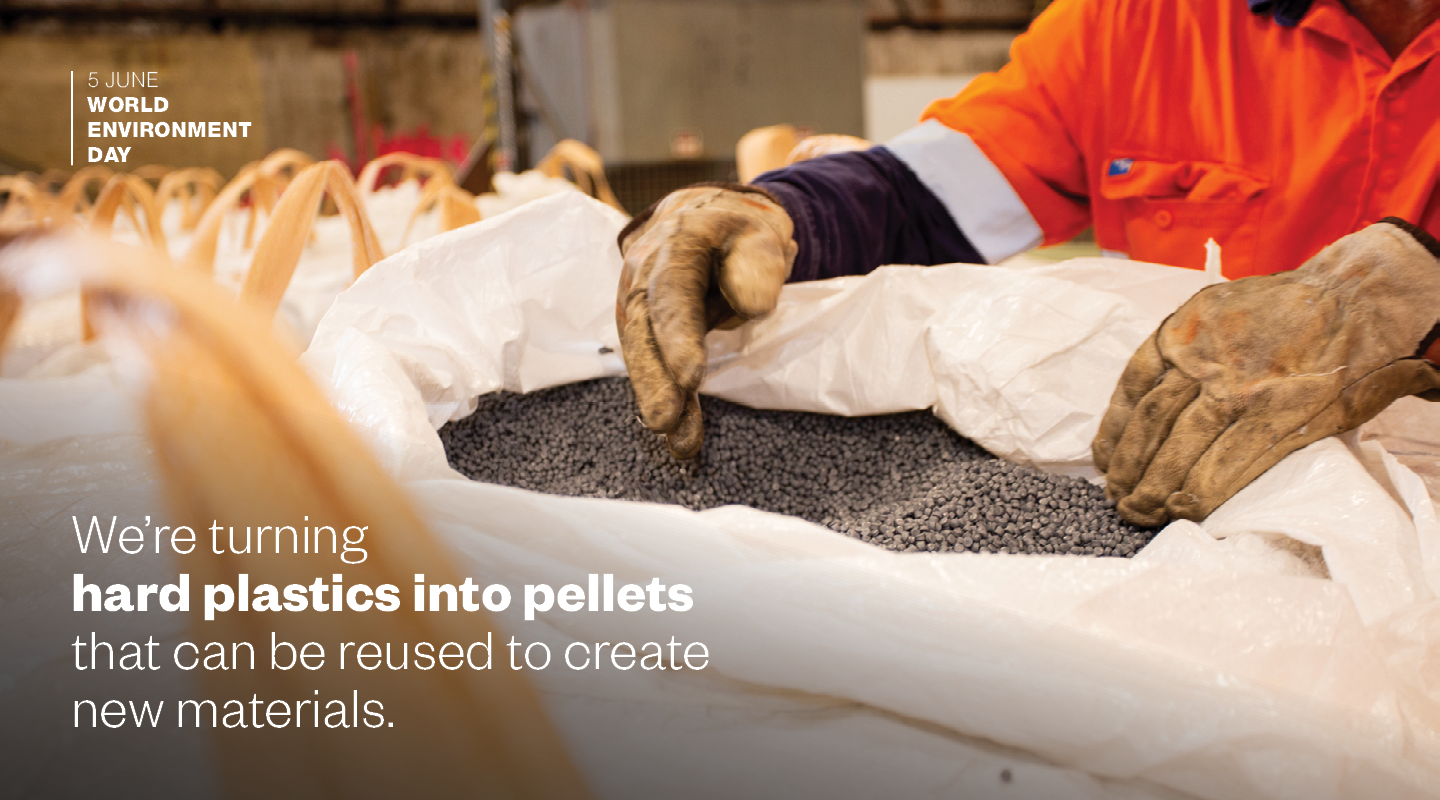
Around the world, change is already happening. Energy systems are shifting. Cities are being rethought. Businesses are finding better ways to use resources. Progress isn’t always fast, but it is happening.
Here in Aotearoa, that progress often sits behind the scenes — in the systems that manage waste, recover materials, and protect our environment.
At WM New Zealand, taking care of it means focusing on practical solutions. It’s about doing the work — day in, day out — to reduce impact and improve how resources are managed.
Looking after land is a core part of that responsibility. Modern landfill design is very different from the past. Today’s engineered landfills use advanced lining and containment systems to safely manage waste and protect surrounding environments. These systems are carefully designed, monitored and maintained to reduce risk over the long term.
At the same time, we’re still working through legacy challenges. Across New Zealand, more than 460 closed dumps remain from earlier decades. Many are in locations now vulnerable to erosion or extreme weather, which is becoming more frequent with climate change.
In 2024, we partnered with Waitaki District Council on Project Reclaim, focused on several coastal sites near Oamaru. The work included relocating waste from exposed areas into a modern engineered landfill, improving environmental safety, and protecting local ecosystems.
Projects like this aren’t always visible, but they make a real difference — restoring sites and reducing risk for the future.
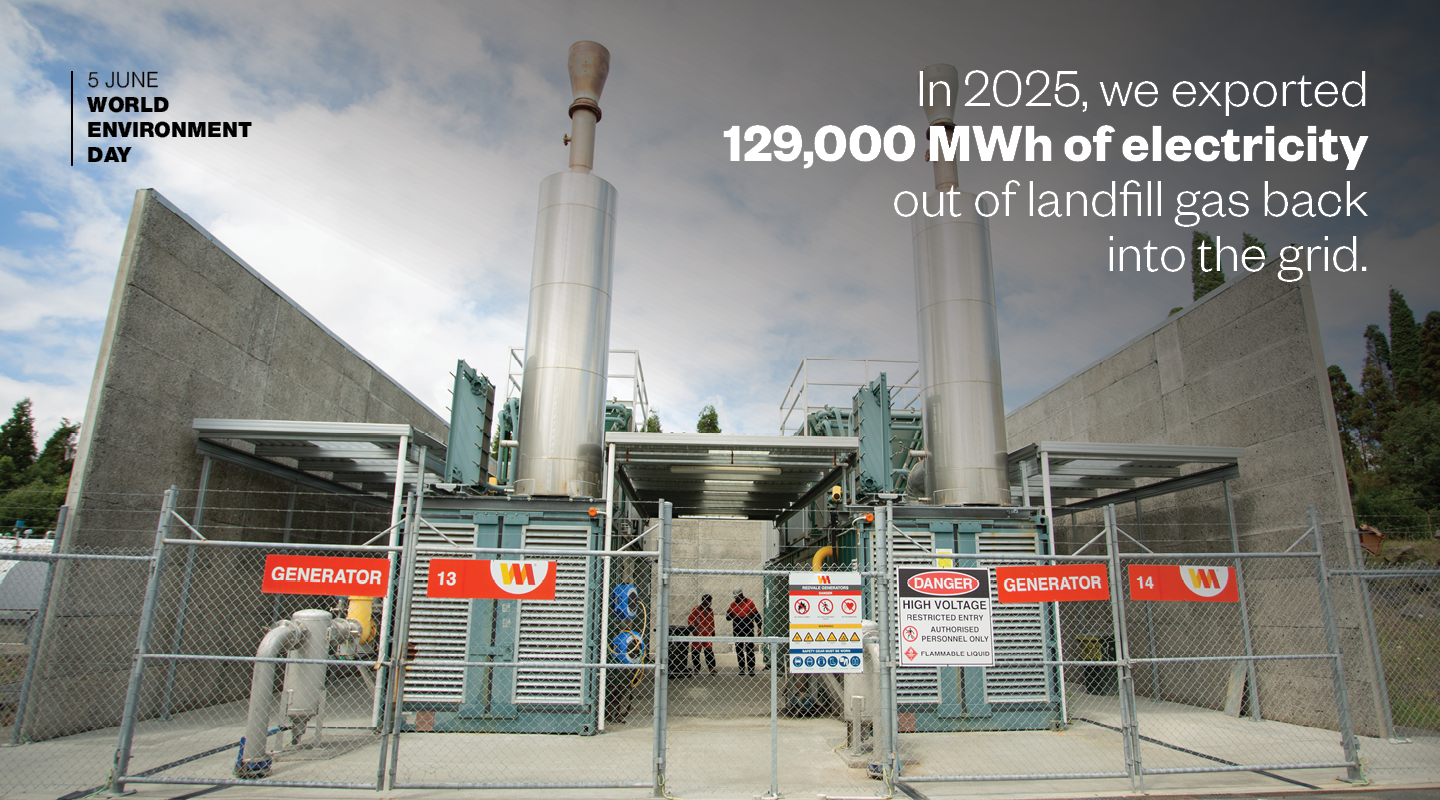
Air quality and emissions are another important part of the picture. When organic waste breaks down in landfill, it produces methane — a greenhouse gas that has a much higher impact than carbon dioxide. Managing that gas is critical.
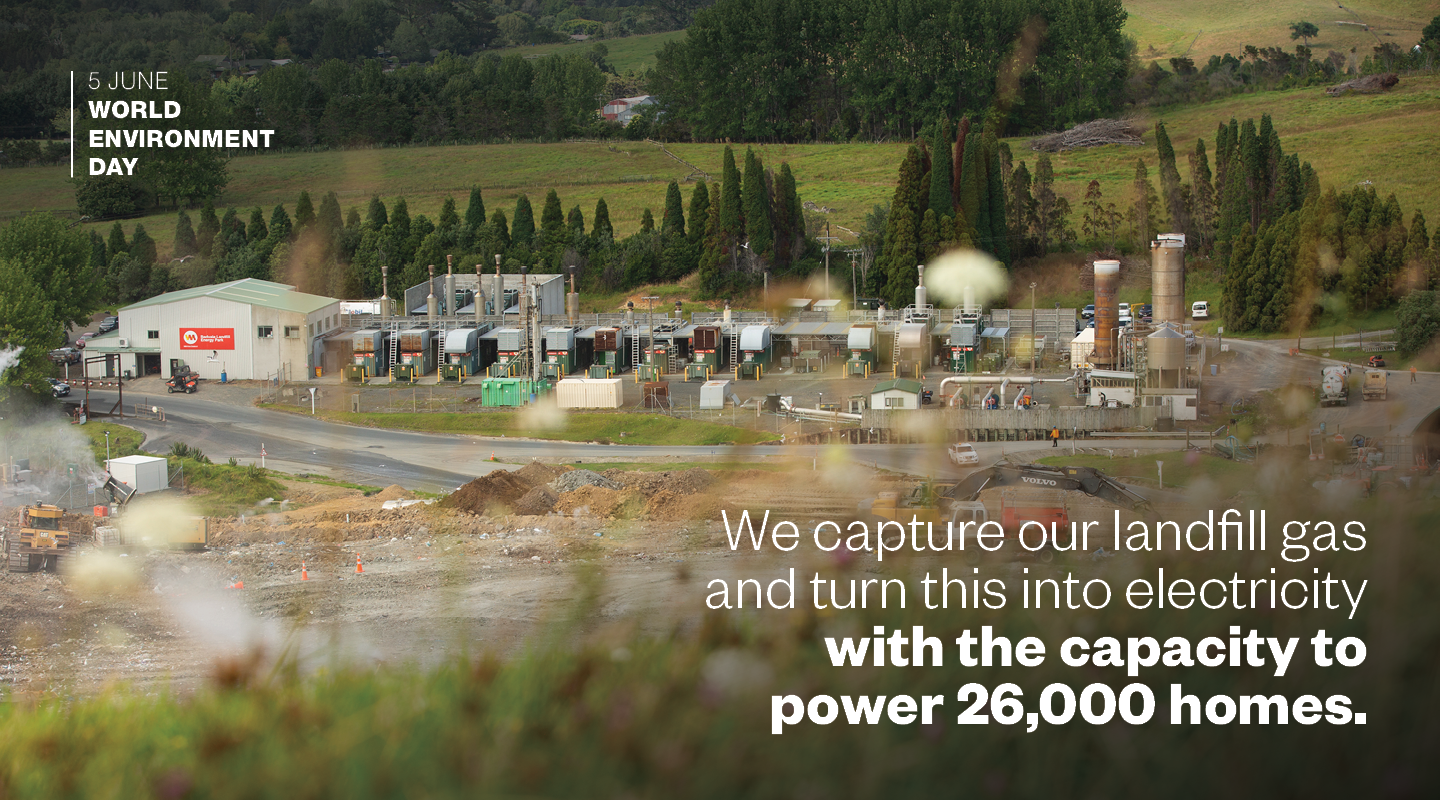
Across our sites, we use gas capture systems that collect more than 90% of landfill methane. Instead of entering the atmosphere, that gas is used to generate energy — helping power homes and businesses.
We also use newer technologies, like drone-based monitoring, to identify any gaps in real time. These systems allow us to find and fix issues quickly, keeping performance high.
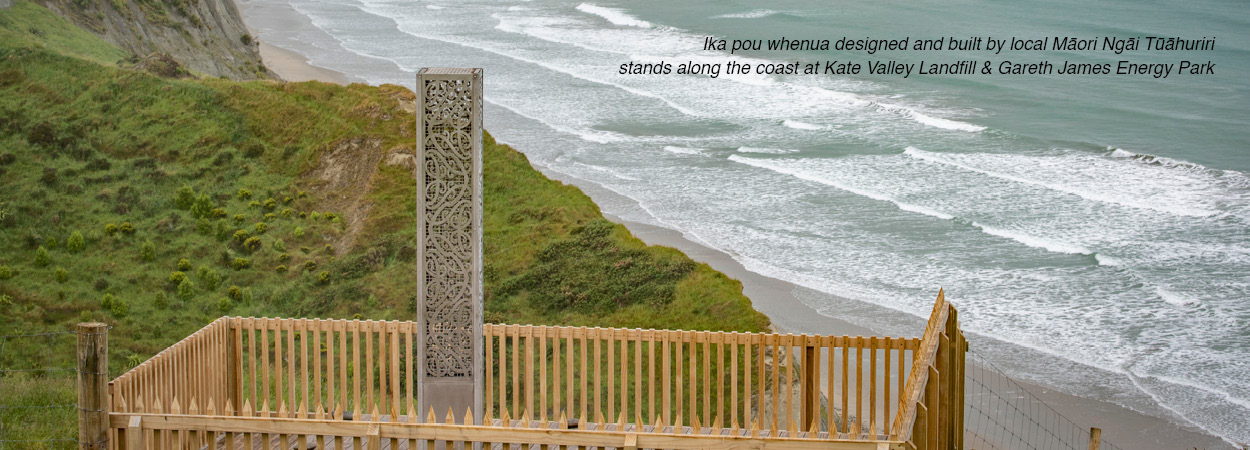
For example at Kate Valley Landfill & Energy Park in Canterbury, landfill gas is captured from 69 gas wells, with a methane detecting drone surveying the site at least quarterly.
The energy park can produce enough renewable electricity to power the equivalent of around 2,000 homes each year, similar to the population of nearby Amberley. The team has also installed a 300kW DC fast charger powered entirely by electricity generated from landfill gas.
This creates a circular energy loop, where waste generates the power that can charge electric trucks, loaders and other equipment used in our operations.
Behind the scenes, modelling and monitoring frameworks help us track emissions accurately and make improvements over time. We regularly review this work and bring in independent experts to validate our approach.
It’s a practical example of how reducing emissions can be built into everyday operations.
Water protection is built into every stage of how we operate — from planning and design through to ongoing monitoring.
Our sites manage water in different ways, including treating stormwater, handling leachate, and using water for operational needs. Each of these activities is carefully controlled through resource consents and supported by scientific monitoring.
We follow recognised water quality guidelines, establish baseline conditions before work begins, and set site-specific performance levels. This helps ensure that water quality is maintained over time.
This included:
We also look at ecosystem health more broadly. Monitoring things like macroinvertebrates and sediment helps us understand how waterways are responding over time — and respond early if something changes.
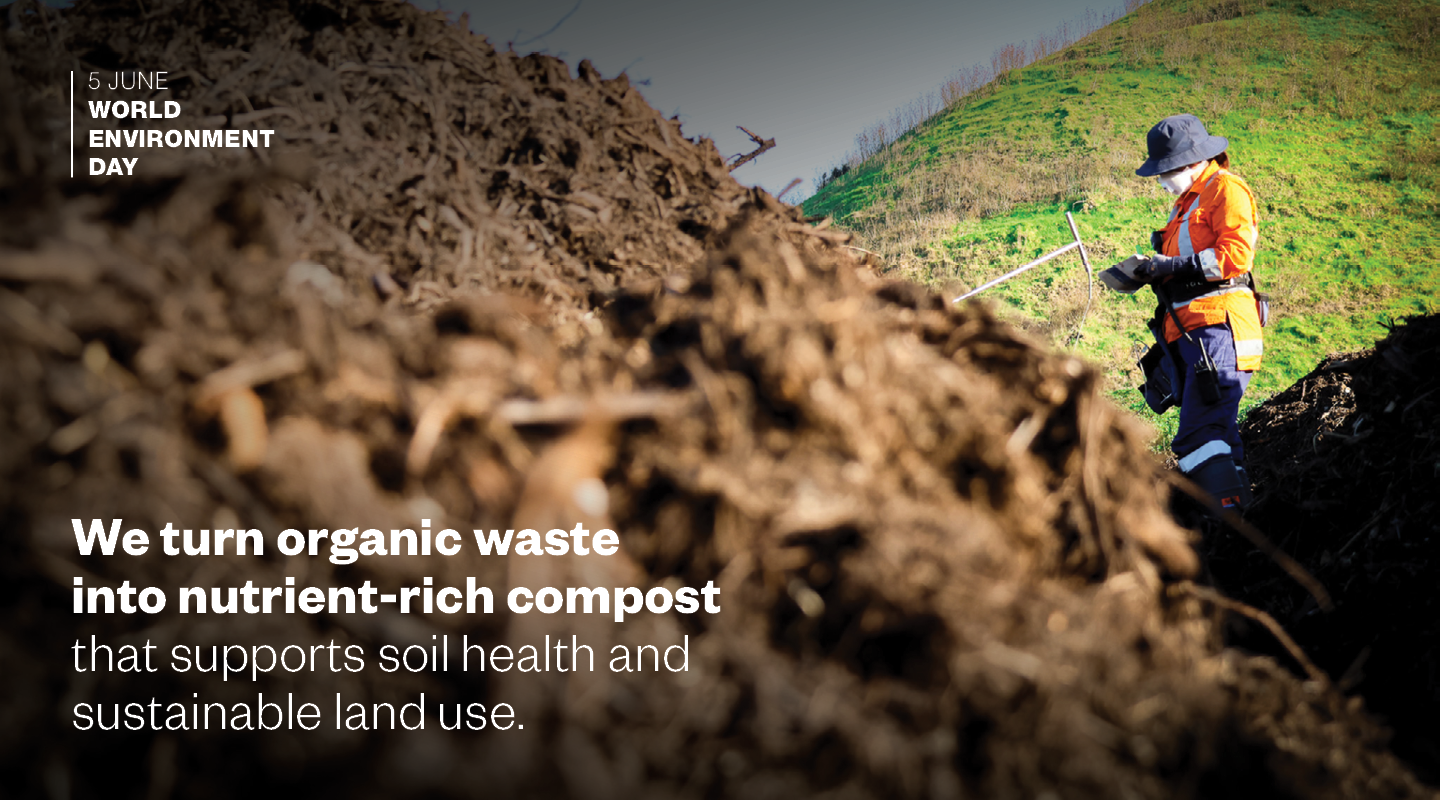
Environmental work like this isn’t one project or one solution. It’s a system. It relies on strong processes, consistent monitoring, and people who know what to look for and what to do next. It also relies on partnerships — working alongside councils, communities, iwi, and others to find the right solutions.
At WM New Zealand, our approach is guided by a clear framework:
World Environment Day is a moment to step back and take stock. But the real work happens every day — in the decisions we make, the systems we build, and the way we work together.
Climate change is complex. There’s no single fix. But there are solutions — and many are already in place.
Taking care of it means continuing to build on that progress. It means working together, being practical, and focusing on what we can do now.
Because when we take care of it together — Mā tātou katoa e tiaki — we create something better for today and for the future.
Led by the United Nations Environment Programme (UNEP) and held annually on 5 June since 1973, World Environment Day is the largest global platform for environmental public outreach and is celebrated by millions of people across the world.
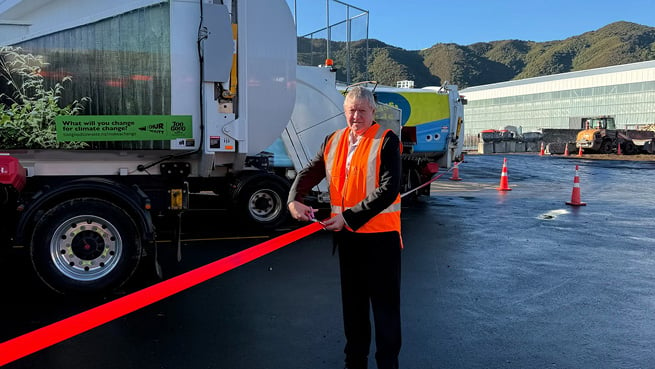
WM New Zealand's new Lower Hutt charging hub will support a fully electric kerbside collection fleet and lower emissions.
Learn more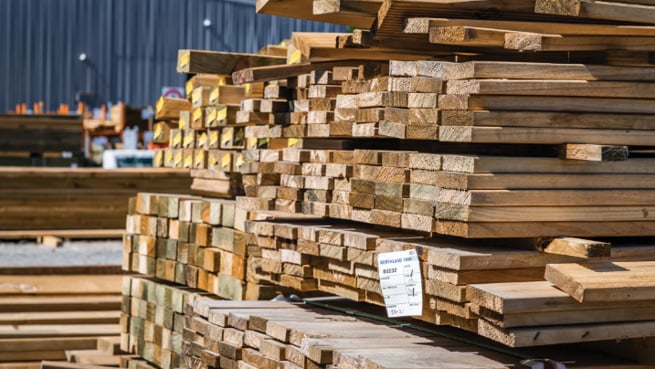
Most people don't think twice about an old fence post or a weathered deck board.But when treated timber reaches the end of its life, it becomes one of the mos...
Learn more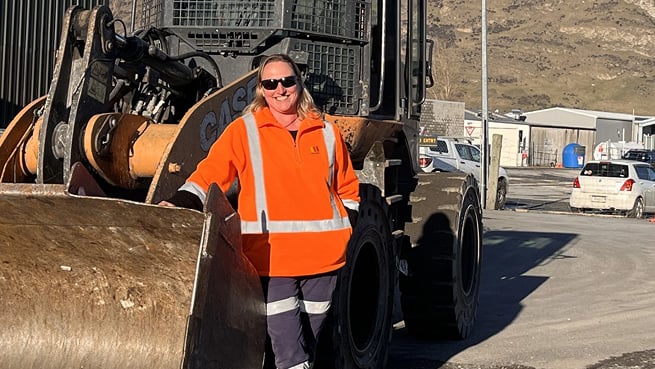
Meet three WM New Zealand wāhine whose skills, passion and dedication are helping shape a more sustainable future.
Learn more