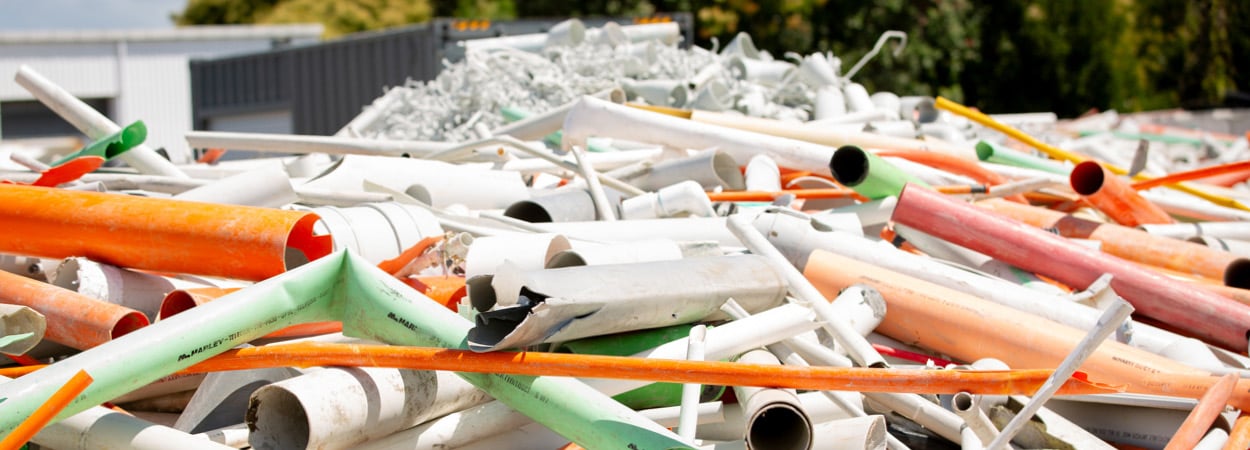
For most of modern life, plastics have been background noise. They’re the pipes you don’t see, the materials quietly doing their job behind walls and under roads, the packaging that protects food and keeps products safe.
They’ve been cheap, available and reliable - so reliable in fact, that most of us haven’t needed to think about them at all.
But suddenly, plastics are having a moment. And not the good kind.
What’s happening in the Middle East right now isn’t just an oil story. It’s a materials story. And for a country like New Zealand — small, distant, and heavily reliant on imports — it’s one worth paying attention to.
When the World Wobbles, Supply Chains Feel It First
The Middle East isn’t just where a lot of the world’s oil comes from. It’s also one of the beating hearts of global petrochemical supply — producing the feedstocks that become polyethylene, polypropylene, PVC and a long list of other materials most of us never think about but rely on constantly.
Disruption in the region is now rippling through global petrochemical supply chains. We’re seeing force majeure declarations, shipping disruption, reduced operating rates, redirected cargoes, price surcharges and tight material allocation.
This isn’t markets being dramatic. It’s constraint.
In plain terms: there simply isn’t as much plastic material available as there was six months ago, and what is available is being rationed.
Why New Zealand Feels This More Than Most
New Zealand doesn’t make much plastic from scratch. We import it — either directly or via Asia. Around a fifth of our polymer supply comes straight from the Middle East, with more than half coming from Asian producers who depend on Middle Eastern feedstocks and shipping routes.
When global supply tightens, the material doesn’t flow evenly. Bigger markets get served first. Strategic customers get prioritised. Most local businesses don’t have vast reserves of plastic sitting in warehouses. Typical stock buffers are four to eight weeks. That gives us a delay, not protection.
Which means the real question isn’t whether shortages are visible yet. It’s what happens when those buffers run out.
What Plastics Are We Actually Talking About?
When people hear “plastics”, they often picture takeaway containers, drink bottles, or that bag of soft plastic stuffing under the sink waiting for a mythical recycling drop‑off day.
But the plastics under pressure right now are the boring, structural ones — the ones built so deeply into everyday systems that you only notice them when they’re missing.
The Plastic Your Water Travels hrough
The pipe bringing water into your home? Plastic. The pipe taking wastewater away? Also plastic.
Modern water, wastewater and stormwater networks rely heavily on plastics like PVC and HDPE because they don’t corrode, last for decades underground - even with all the seismic activity - and are lighter and cheaper to install than alternatives.
When these materials are scarce or delayed, infrastructure projects slow. Repairs take longer. Costs quietly rise. You don’t see a “plastic pipe crisis” headline — you see stalled roadworks and deferred upgrades.

What keeps modern windows weather‑tight? Plastic.
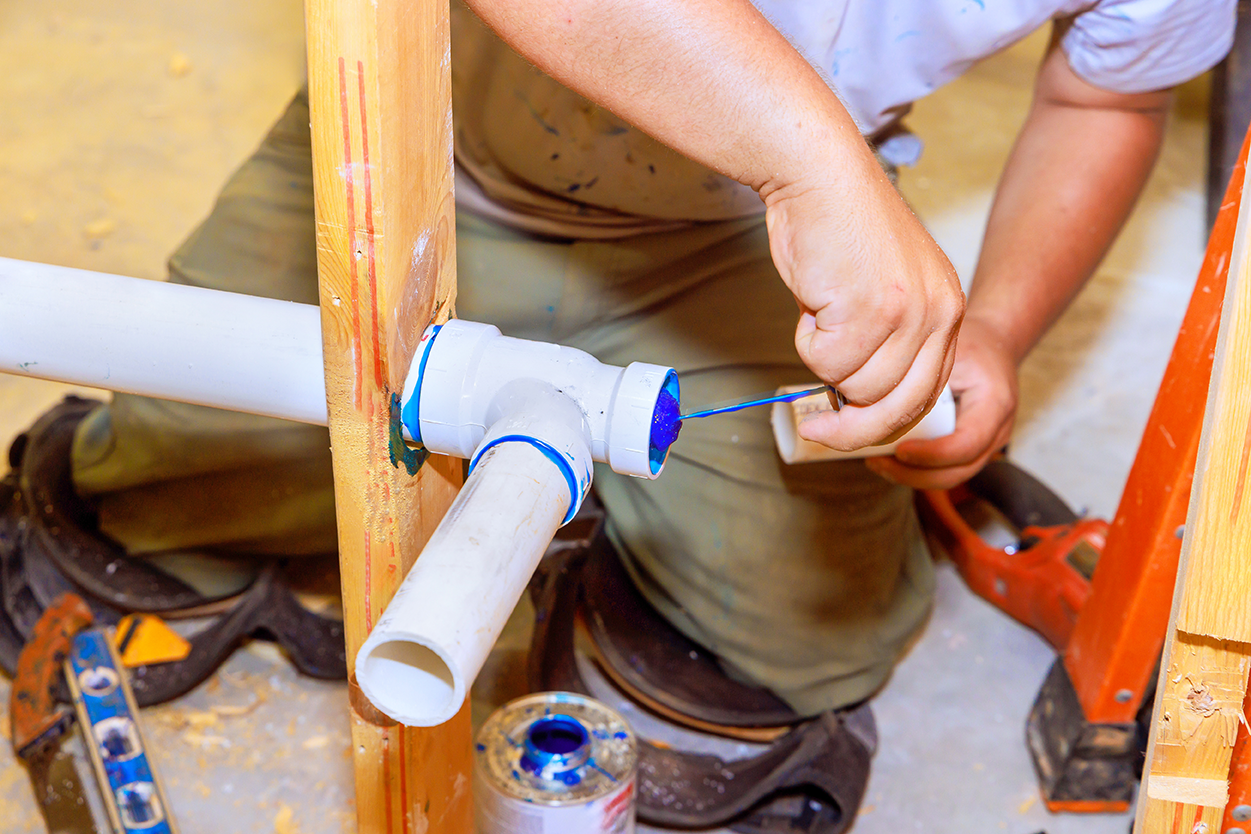
What carries water through your home? Plastic.

What gets fruit from orchard to market? Plastic.
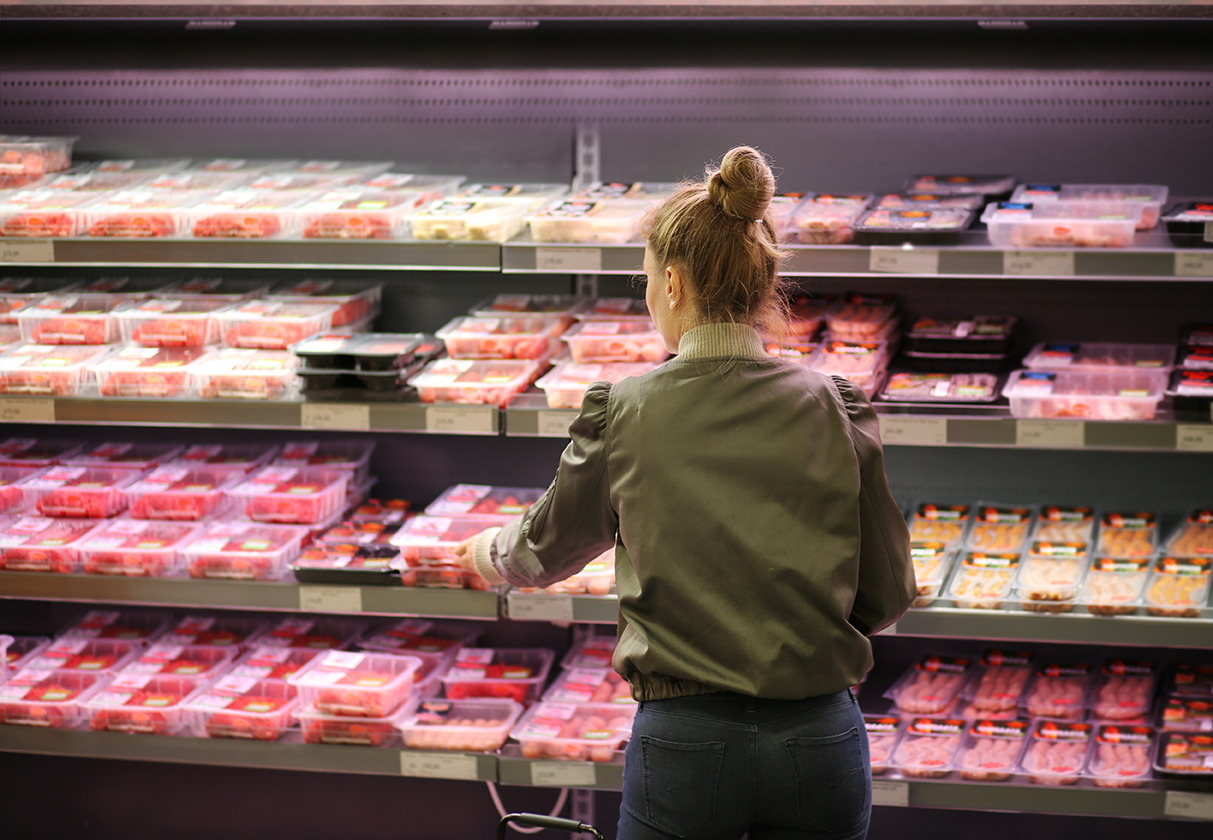
That meat packaging keeping things hygienic? Plastic
These aren’t consumer products with alternatives sitting on the shelf. Medical plastics are tightly regulated, specification-heavy, and often single-use by design — not because hospitals enjoy waste, but because infection control depends on it.
Which means when supply tightens, substitution isn’t simple. You can’t just swap materials without revalidation, recertification and regulatory approval. In healthcare, “close enough” doesn’t count.
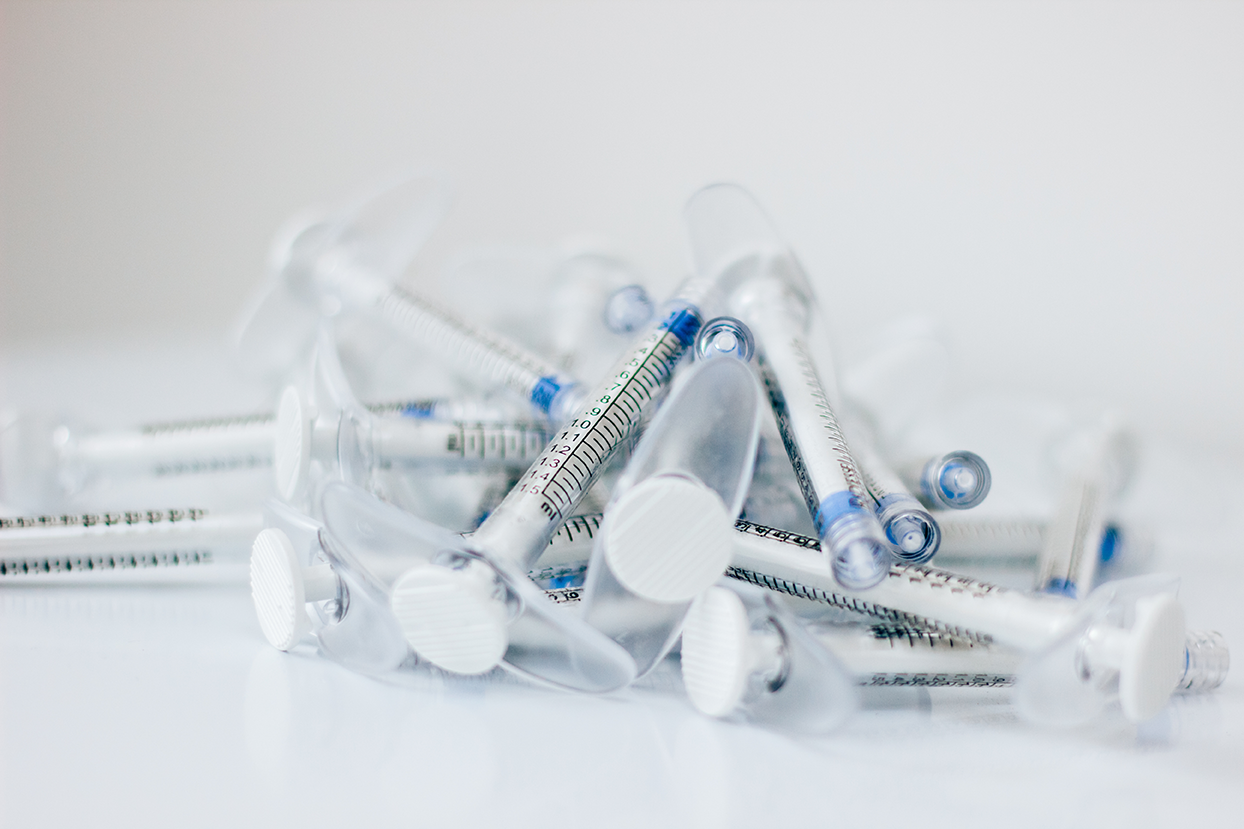
The syringes delivering life‑saving medication? Plastic.
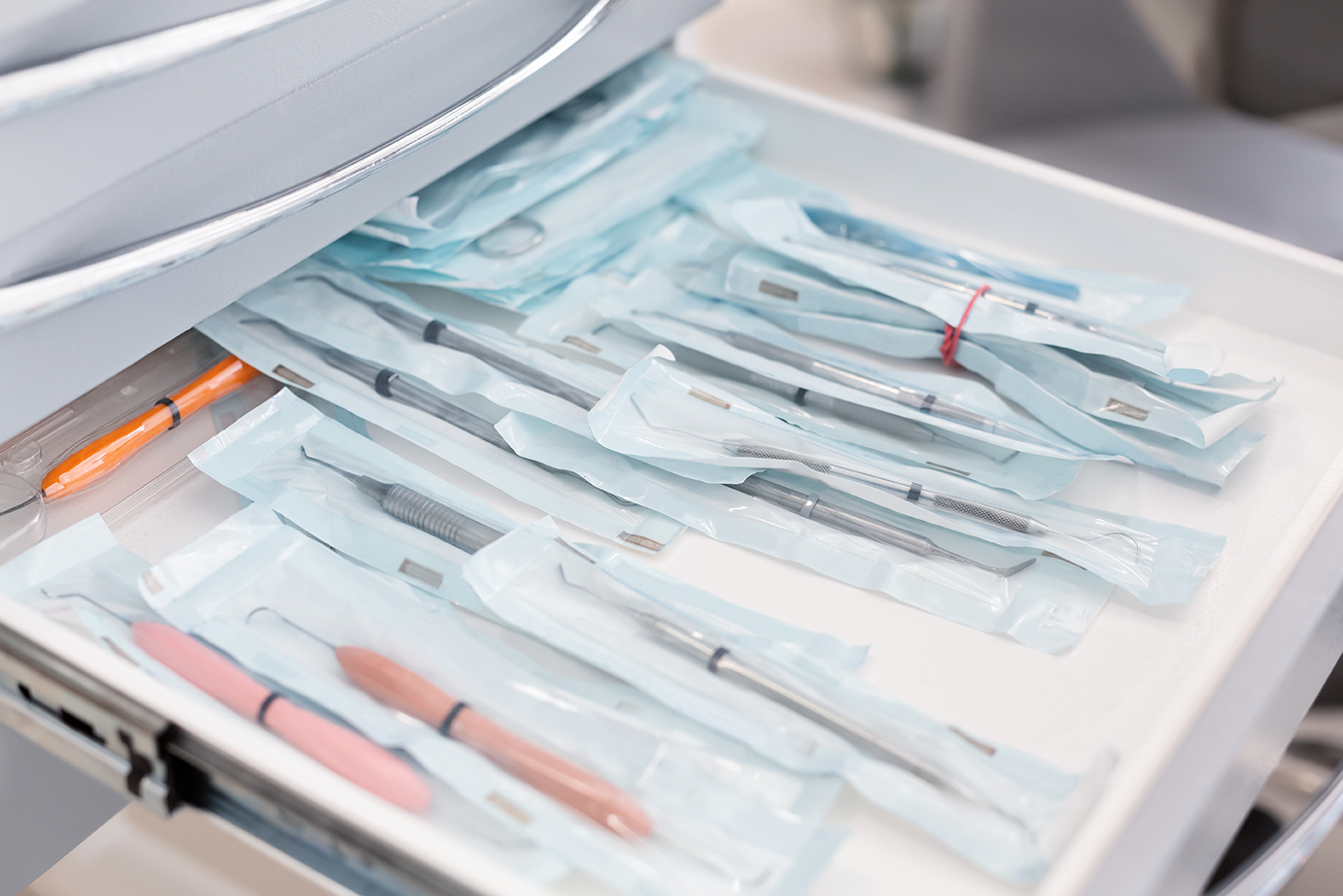
What stands between a surgical instrument and infection? Plastic.
What Happens If Medical Plastics Are Constrained?
The impact of shortages in medical plastics doesn’t arrive as a dramatic collapse. It arrives as friction.
Deliveries take longer. Buffer stock shrinks. Hospitals switch suppliers — not because they want to, but because they have to. Procurement teams spend more time chasing product instead of planning care. Costs rise, quietly, inside already stretched health budgets.
In more severe scenarios, rationing decisions creep in:
- Procedures get rescheduled
- Non-urgent surgeries are delayed
- Certain devices are prioritised over others
- Staff adapt workflows around what’s available, not what’s ideal
None of this is theoretical. Globally, we’ve already seen medical plastics affected during Covid, shipping disruptions, resin shortages and energy price shocks. The lesson wasn’t that the system broke — it was that it runs closer to the edge than we assumed.
New Zealand, again, sits at the far end of global supply chains. Medical plastics are imported. When global manufacturers allocate limited volumes, small, distant markets don’t always come first.
Plastic You Really Don’t Want to Run Out Of
Medical plastics are a reminder that not all plastic is about convenience.
Some of it is about keeping blood uncontaminated. Keeping drugs stable. Keeping infections from spreading through wards. Keeping healthcare workers safe while they care for others.
It’s hard to debate the ethics of a plastic-free future when the plastic in question is the IV line delivering antibiotics, or the sterile packaging separating a surgical instrument from bacteria.
This doesn’t mean medical plastics are exempt from sustainability conversations. It does mean those conversations have to be grounded in reality — focused on smarter design, better recovery where safe, and resilient supply, not just reduction at all costs.
Because when plastics are boring, invisible and plentiful, we forget them. When they become scarce, we remember exactly what they were doing all along.