A pioneering partnership is turning end-of-life luge carts into valuable recycled materials, proving what’s possible when tourism, waste management and manufacturing come together for a circular future.
When Skyline Queenstown looked at the retirement of its luge carts, one thing was clear: sending them to landfill simply wasn’t an option.
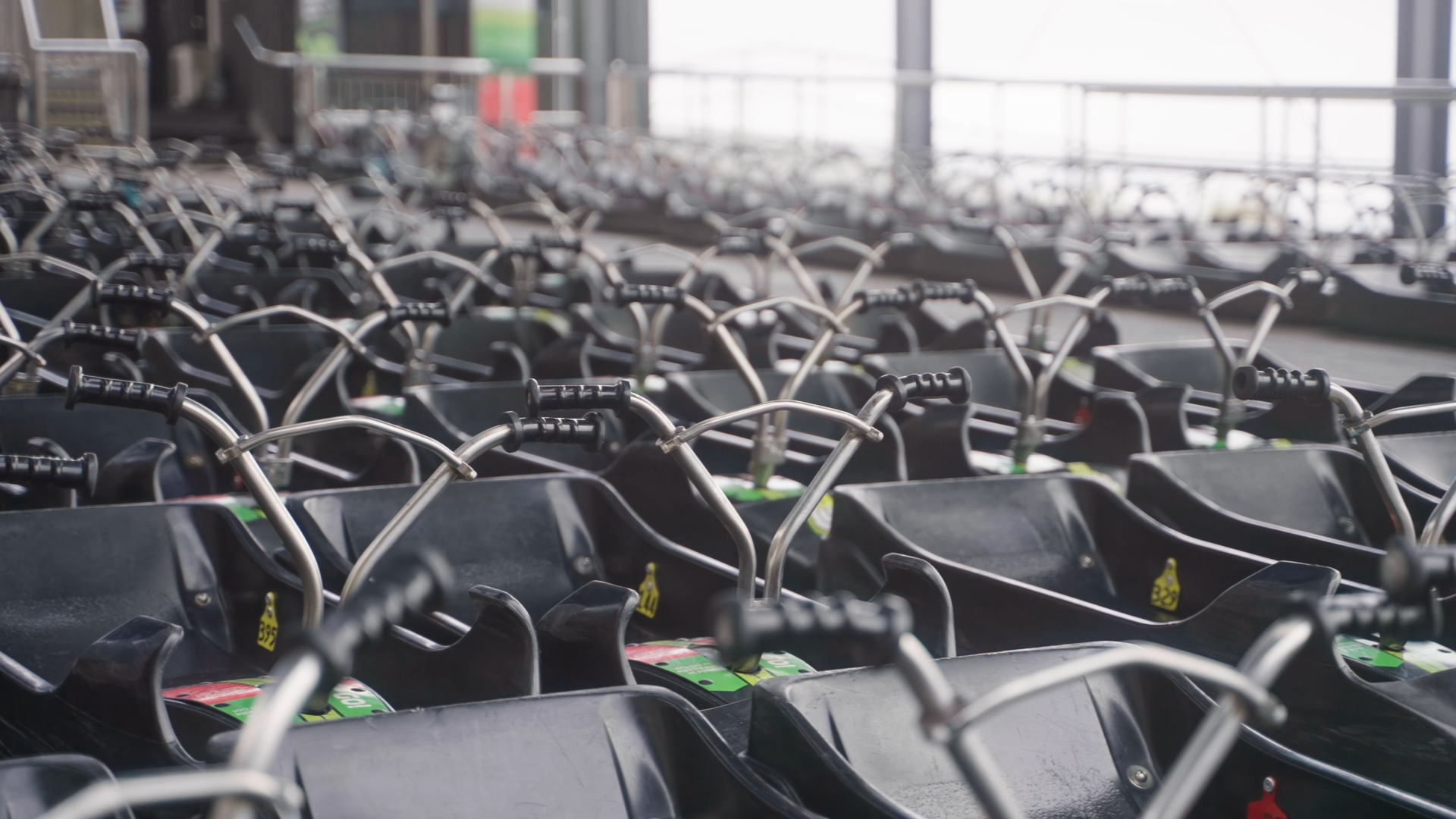
Each year, around 120 luge carts reach the end of their operational life. Built to withstand extreme use, they are engineered for durability, safety, and performance—qualities that also make them difficult to dispose of responsibly. Made primarily from hard plastic and weighing around 30 kilograms each, these carts represent more than 3.5 tonnes of tough, non-standard plastic annually.
“For us, sending our carts to landfill just wasn’t acceptable,” says Pierre Poyet, Strategic Projects Manager for Skyline.“We needed a solution that wasn’t disposable. It had to be circular.”
Rethinking the End of Life
Luge carts were historically treated as waste once retired. Their size, composition and durability meant they couldn’t enter conventional recycling systems, leaving landfill as the default outcome. Skyline knew there had to be another way—but finding it required innovation, persistence and the right partners.
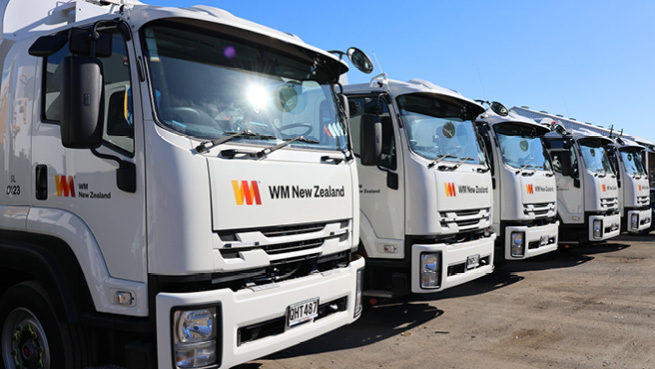
That search led them to WM New Zealand, whose Sustainability Services team specialises in solving complex material recovery challenges.
“Normally, materials like this would just go straight to landfill,” says Sarah Hendry, Sustainability Partner at WM New Zealand. “They don’t fit within standard recycling streams. So we put our heads together and asked—what can we do?”
The answer came through Comspec, a Christchurch-based plastics recycling specialist. Together, the three organisations created a bespoke recycling pathway that transforms end-of-life luge carts into high-quality recycled resin.
Building a Circular Solution
Once luge carts are retired, Skyline prepares them for recycling by removing all metal components, leaving a fully plastic luge body.
WM New Zealand then takes over. The plastic bodies are collected and transported to Comspec’s Christchurch facility, where specialist recycling technology gets to work.
“Skyline has done a great job with the preparation,” says Hendry. “That allows the carts to be fed straight into the machinery and efficiently turned into resin.”
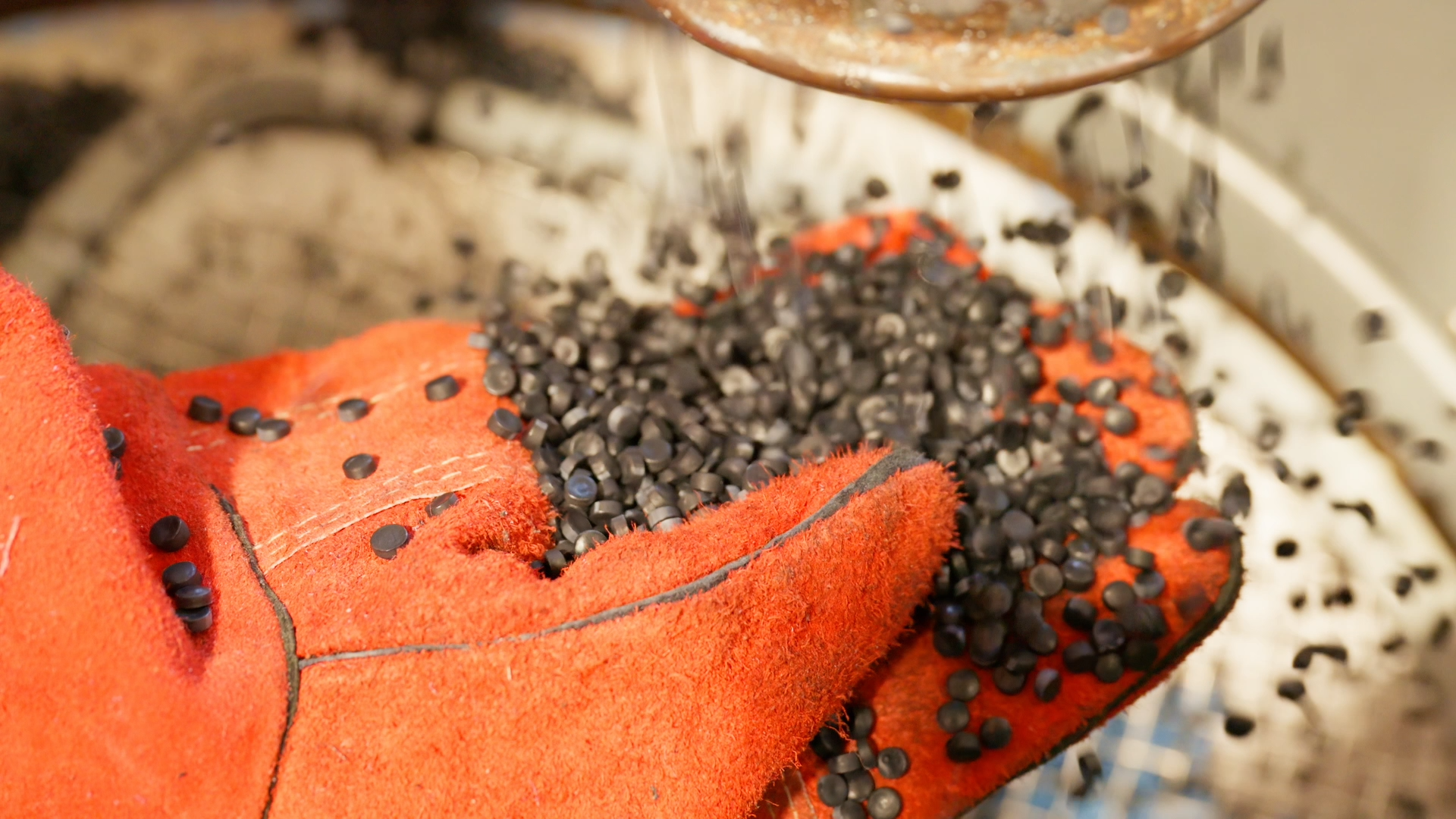
At Comspec, the plastic is shredded, washed, and processed before being extruded into clean, high-grade resin pellets. These recycled materials are then repurposed into new products—most commonly drain coil piping used across New Zealand in infrastructure and construction.
“What was once waste is now a valuable resource,” says Matt Saunders from WM New Zealand. “That’s the circular economy in action.”
From Trial to Ongoing Impact
The recycling programme launched with an initial trial that diverted approximately 650 kilograms of plastic from landfill. With the process now established, the partners expect to recover up to 3.5 tonnes of luge cart plastic each year.
“This is a 100% win,” Hendry says. “It’s exactly what we aim for—materials kept in circulation, value retained, and landfill avoided.”
Collaboration Is the Future
For all three organisations, the success of the luge cart recycling programme reinforces a simple message: sustainability challenges can’t be solved in isolation.
“The future of sustainability is collaboration,” says Poyet. “No single organisation can address these issues alone. When the right partners come together, with the right ideas, you often find solutions you never expected.”
By combining Skyline’s commitment, WM New Zealand’s expertise, and Comspec’s advanced recycling capability, the partnership delivers a practical example of circular thinking in action—turning a complex waste problem into a long-term resource solution.
WM Sustainability Services
Our team of qualified and experienced sustainability experts can help you achieve your sustainability and environmental goals.